Graphite bipolar plates for fuel cells or extruded bipolar plates for redox flow batteries - we are your partner from prototype production to large-scale production.
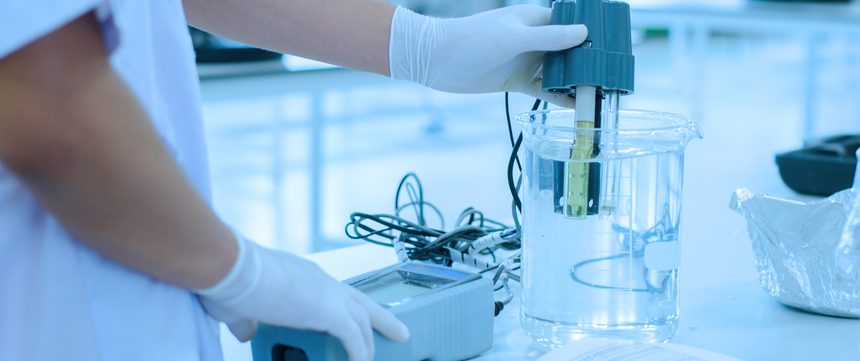
Maximum safety and precision for your application - ultra-pure materials, high thermal stability and freedom from contamination are the key features of our solutions.
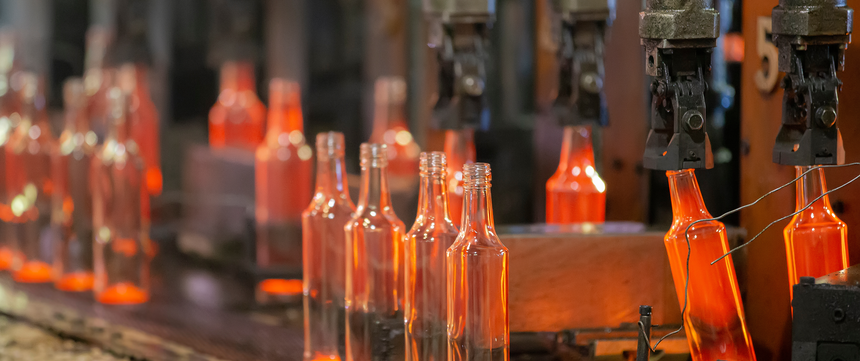
Oxidation resistance, abrasion resistance and long service life - with our solutions, your glass remains "untouched" and always free of marks, stress cracks and adhesions.
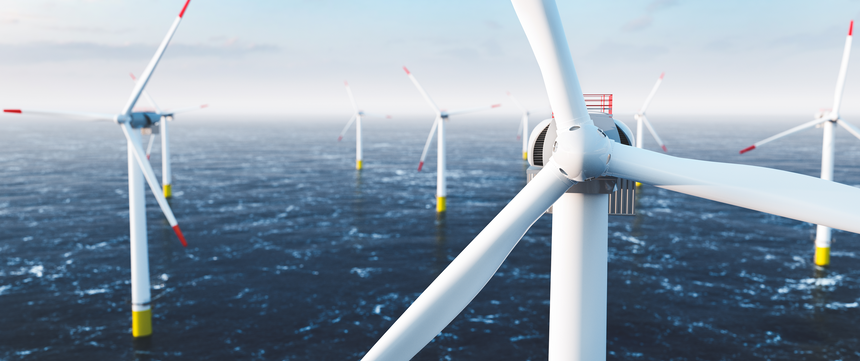
Extreme climatic conditions braved - secure power transmission specialized for the special requirements of wind energy in the onshore & offshore sector.
Would you like to get to know us and our solutions in person? Then visit us at international trade fairs and congresses. We look forward to meeting you!